

Maximizing Storage Efficiency and Safety: A Comprehensive GuideTable of Contents
- Choosing the Right Storage Unit
- Packing Strategies for Optimal Space
- Organizing Your Storage Unit
- Implementing Security Measures
- Maintaining Climate Control
- Regular Maintenance and Inspections
- Insurance Coverage for Stored Items
- Conclusion
Using a self storage unit can make a significant difference in managing excess belongings or providing a secure place for items during life transitions. Whether you are moving, downsizing, or need extra space, using storage facilities wisely can give you both convenience and peace of mind. However, without thoughtful preparation and organization, even the best storage solutions can become cluttered and fail to keep your valuables safe.
This guide explores actionable ways to ensure your storage experience remains efficient and secure. It covers key aspects from selecting the right unit to keeping items in optimal condition over time, helping you avoid common pitfalls. Proactively approaching the process ensures your items are both accessible and protected, creating a hassle-free storage environment. Making well-informed decisions up front can also help prevent unnecessary stress and extra costs later.
Choosing the right storage facility is foundational to the overall experience. Taking time to understand facility offerings and your personal storage needs can result in smoother transitions and lasting satisfaction.
Choosing the Right Storage Unit
Selecting an appropriate storage unit is a critical first step toward efficient and safe storage. Begin by evaluating the scope and volume of your belongings to ensure the space you choose accommodates everything without crowding. Location should also influence your choice, as easily accessible units near your home or place of work can save both time and effort during move-ins or regular visits.
Security features are another vital consideration. Look for gated access, surveillance cameras, and on-site staff, all of which help protect your possessions from theft and unauthorized entry. If you plan to store items that might be damaged by humidity or temperature changes, opt for a unit with climate control to mitigate the risk of weather-related damage. To learn more about features that are important when selecting a storage unit, check out this resource from U.S. News & World Report: 9 Key Things to Know About Self Storage.
Packing Strategies for Optimal Space
Efficient packing maximizes available space and protects your possessions from damage. Using uniform boxes of the same size enables easy, stable stacking and simplifies organization. Clear labels listing contents and corresponding rooms help you quickly locate things when you need access, reducing unnecessary unpacking or moving.
Disassemble large items such as bed frames, tables, and shelving to make more room in your unit and to prevent awkward stacking or scrapes. Fragile items, like glassware or electronics, should always be wrapped in bubble wrap or cushioned with packing paper before being placed in sturdy, reinforced boxes.
Organizing Your Storage Unit
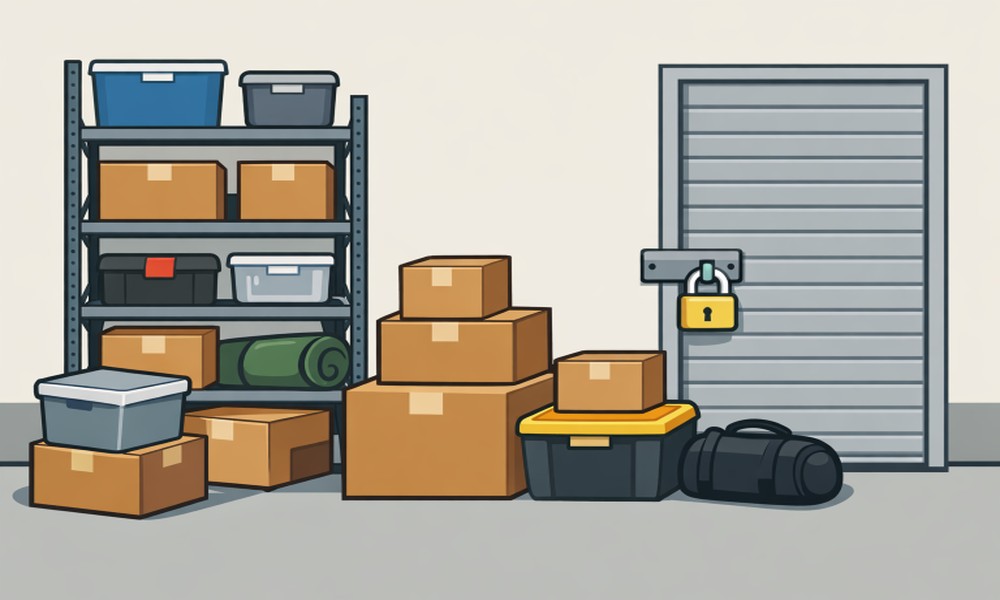
Organization within your storage unit allows you to retrieve items easily while reducing the risk of damage. Plan your layout by creating clear aisles or pathways between rows of boxes and furniture; this way, you can access things in the back without emptying the entire space. Place items you anticipate using frequently near the front for hassle-free retrieval.
Stack heavier boxes on the bottom shelves or on the floor, and lighter items on top. This prevents lower boxes from being crushed and helps maintain the overall structure’s stability. If possible, use shelving units to enhance accessibility and vertical efficiency further.
Implementing Security Measures
The safety of your possessions depends on effective security practices. Choose high-quality locks that are difficult to cut or tamper with, and avoid sharing keys or access codes with anyone but trusted individuals. Facilities equipped with features such as continuous video monitoring, secure fencing, and controlled entry further deter theft and vandalism.
It is wise to ask facility staff about incident response protocols and, if possible, review recent safety records. These precautions can make all the difference in the long-term security of your items. For additional tips, the Consumer Reports guide on keeping your home safe and secure provides a helpful checklist.
Maintaining Climate Control
Sensitivity to the environment is crucial, particularly for items such as electronics, photographs, documents, or furniture. Selecting a climate-controlled unit ensures a consistent temperature and humidity level, reducing the risk of mold, mildew, warping, or rust. Even in a controlled setting, using desiccants or moisture absorbers can further protect delicate items from excess dampness.
Regularly check your items for any changes in condition, especially after long periods of storage or during seasonal transitions. Certain regions may require even more frequent checks due to extreme weather fluctuations.
Regular Maintenance and Inspections
Visiting your storage unit at intervals allows you to spot and address potential issues early. Inspect items for water damage, pests, and mold. Early detection allows you to intervene before small issues become serious (and costly) problems.
Reorganize items as needed to prevent overcrowding and ensure easy access to everything you might need in the future. Scheduling regular checks also prevents forgotten boxes from being crushed or left unchecked in the back of the unit.
Insurance Coverage for Stored Items
Ensuring your stored belongings are insured is key to financial and emotional peace of mind. Review your existing homeowners or renters insurance policy to see whether it extends coverage to items kept off-site. Many policies offer protection, but it is important to confirm the extent and limitations.
Some facilities also offer in-house insurance plans for an additional fee, which can provide supplementary coverage. Weigh the costs and benefits carefully, and keep a detailed inventory and photos of what you store for claims purposes.
Conclusion
Prioritizing thoughtful selection, organized packing, and regular monitoring maximizes the safety and effectiveness of storage units. Whether you need storage for the short term or long haul, following these proven steps ensures your valuable belongings remain secure, accessible, and in good condition. By investing a little time and planning, you can turn storage into a simplified, stress-free solution for all your organizational needs.