


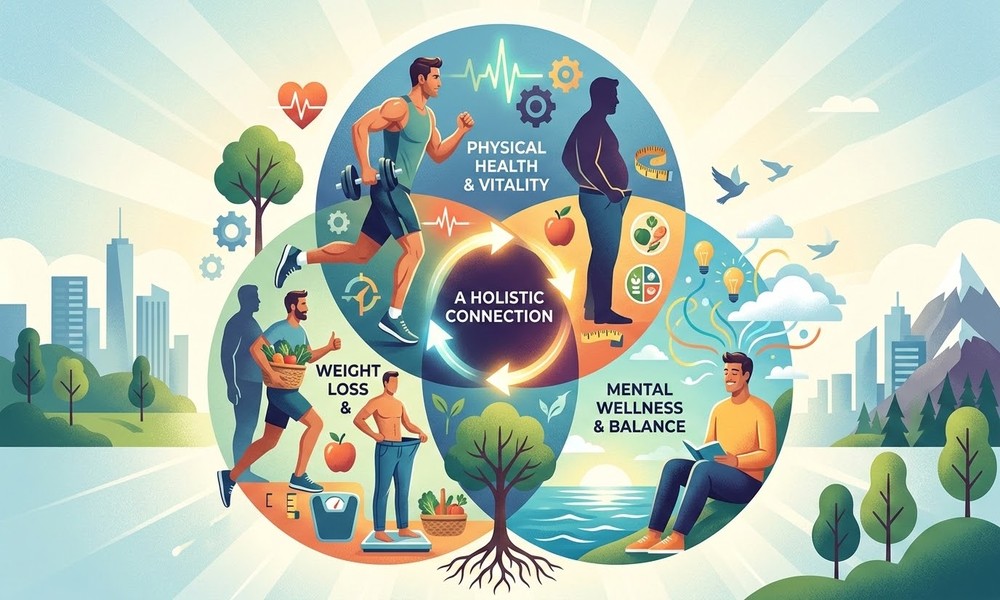
Men’s health is often talked about in separate categories: weight, hormones, stress, fitness, sleep, mood, and motivation. In real life, these areas are tightly connected.
A man who feels mentally drained may find it harder to exercise, cook balanced meals, or stay consistent with healthy routines. Someone carrying extra weight may notice shifts in energy, confidence, inflammation, sleep quality, or hormone levels. Poor sleep and chronic stress can also affect metabolism, appetite, and emotional resilience.
Taking a wider view of wellness can help men better understand what their bodies and minds are trying to communicate. Instead of focusing only on the scale, mood, or physical symptoms, it helps to look at the full pattern: how the body feels, how the mind responds, and how daily habits support or strain long-term health.
The Link Between Emotional Health and Physical Energy
Emotional health plays a major role in daily energy. Stress, anxiety, low mood, and burnout can make ordinary tasks feel heavier. That does not mean someone is weak or unmotivated. Sometimes, the nervous system is under pressure, and the body is using extra energy to manage stress.
When emotional health suffers, motivation can drop. A man may skip workouts, eat irregularly, sleep poorly, or lose interest in activities he used to enjoy. Over time, these changes can affect physical health. Less movement and inconsistent nutrition may contribute to weight gain, fatigue, and lower confidence.
The connection works both ways. When physical health improves, emotional wellness often benefits too. Regular movement, balanced meals, better sleep, and steady routines can support mood regulation and help men feel more in control of their health.
Why Metabolism Matters in Men’s Wellness
Metabolism is the way the body converts food into energy. It is influenced by muscle mass, hormones, age, activity level, sleep, stress, and overall health. For men, metabolic changes can affect weight, stamina, body composition, and mental sharpness.
As men age, they may notice that weight becomes harder to manage, even when their habits have not changed much. A slower metabolism, reduced muscle mass, lower activity levels, and hormonal shifts can all play a role. These changes may affect how the body stores fat, uses energy, and responds to exercise.
A men’s wellness clinic, such as EveresT Men’s Health, may be part of the broader healthcare landscape for men who want to better understand energy, hormone health, and preventive wellness. The key is not to assume that weight changes or fatigue come from one single cause. Men’s health often requires looking at several systems together.
Hormones, Mood, and Motivation
Hormones influence many parts of men’s wellness, including metabolism, libido, mood, sleep, and muscle maintenance. Testosterone often gets the most attention in men’s health, but it is only one part of a larger hormonal picture. Thyroid function, cortisol, insulin, and other hormones can also affect energy and weight.
When hormones are out of balance, men may feel tired, irritable, unfocused, or less motivated. They may also notice changes in body composition, such as increased abdominal fat or reduced muscle tone. These symptoms can be discouraging, especially when a man feels like he is putting in effort but not seeing results.
Symptoms alone do not tell the whole story. Fatigue, weight changes, and low mood can have many possible causes. A healthcare provider can help determine whether hormone testing, lifestyle changes, or other evaluations are appropriate.
How Weight Loss and Mental Wellness Connect
Weight loss is often framed as a matter of willpower, but that view is too narrow. Appetite, cravings, energy, stress, medications, sleep, hormones, and emotional patterns can all influence a person’s ability to lose weight. For men, the pressure to “push through” can sometimes delay getting support.
Mental wellness can affect eating habits in subtle ways. Stress may increase cravings for high-calorie foods. Depression may reduce interest in cooking or exercise. Anxiety may disrupt sleep, which can then affect hunger hormones and energy the next day. Over time, these patterns can become cyclical.
A medical weight loss center, such as PhySlim in Tallahassee, FL, may be relevant for men exploring structured weight management support. In some cases, qualified professionals may also discuss a personalized BHRT plan for optimal hormonal balance when hormone-related factors are part of the evaluation. The right approach depends on the individual, including medical history, goals, lab results, and daily routines.
Sleep Is the Bridge Between Body and Mind
Sleep is one of the strongest links between mental wellness and metabolism. Poor sleep can affect mood, hunger, focus, and recovery. Men who do not sleep well may feel more irritable, less patient, and less motivated to make healthy choices.
Lack of sleep can also influence weight. When sleep is short or disrupted, the body may experience changes in hormones that regulate hunger and fullness. This can lead to stronger cravings, especially for sugary or high-fat foods. Poor sleep can also make workouts feel harder and slow recovery after physical activity.
Improving sleep does not always require major changes. A consistent bedtime, less screen time late at night, limited alcohol, regular movement, and a cooler sleep environment may help. If snoring, gasping, or severe daytime sleepiness is present, medical evaluation may be important.
Stress, Cortisol, and Eating Patterns
Stress is not only emotional. It affects the body too. When stress is frequent or long-lasting, the body may produce higher levels of cortisol, a hormone involved in the stress response. Cortisol can influence appetite, blood sugar, fat storage, and sleep quality.
Many men respond to stress by working longer hours, reducing exercise, eating quickly, or ignoring symptoms. These habits may seem manageable at first, but they can create a pattern that affects both weight and mental health. Stress can also make it harder to recognize hunger and fullness cues.
Support from a mental health clinic, such as Bristol Health, may be helpful for men dealing with anxiety, depression, burnout, grief, or ongoing stress. Mental healthcare is not only for crisis situations. It can also help men build coping skills, improve communication, and create healthier routines that support physical wellness.
Exercise Supports More Than Weight Loss
Exercise is often described as a way to burn calories, but its benefits go much further. Regular physical activity can support cardiovascular health, muscle strength, insulin sensitivity, mood, sleep, and stress management. For men, maintaining muscle is especially important because muscle tissue supports metabolic health.
Movement also benefits the brain. Exercise can help reduce stress, improve mood, and build confidence. Even moderate activity, such as brisk walking, cycling, swimming, or strength training, can make a meaningful difference when done consistently.
The best exercise plan is usually the one a person can maintain. Some men do well with structured gym routines. Others prefer outdoor activities, sports, or short workouts at home. The goal is not perfection. The goal is consistency, recovery, and gradual progress.
Building a Whole-Person Wellness Routine
A whole-person wellness routine looks at the full picture: nutrition, movement, sleep, stress, emotional health, medical care, and social connection. These areas do not need to be fixed all at once. Small, steady improvements can create momentum.
Men may benefit from tracking simple patterns, such as energy levels, sleep quality, mood, workouts, meals, and stress triggers. This can make it easier to see what helps and what creates setbacks. For example, a man may notice that poor sleep leads to stronger cravings, or that regular walking improves both mood and appetite control.
Some men also explore complementary wellness options for relaxation and stress support. California Mobile Acupuncture, listed at www.californiamobileacu.com, may be one example of a resource connected to stress relief and wellness support. As with any wellness service, it is wise to consider personal health needs, ask questions, and coordinate care with licensed medical professionals when needed.
Final Thoughts
Men’s health, weight loss, and mental wellness are deeply connected. Emotional strain can affect motivation, appetite, sleep, and energy. Metabolic changes can influence weight, confidence, stamina, and mood. Hormones, stress, and lifestyle habits all interact in ways that can either support or challenge overall wellness.
A balanced approach recognizes that health is not just about discipline or appearance. It is about how the body and mind work together. When men understand these connections, they can make more informed choices, seek appropriate support, and build routines that improve energy, resilience, and long-term well-being.