


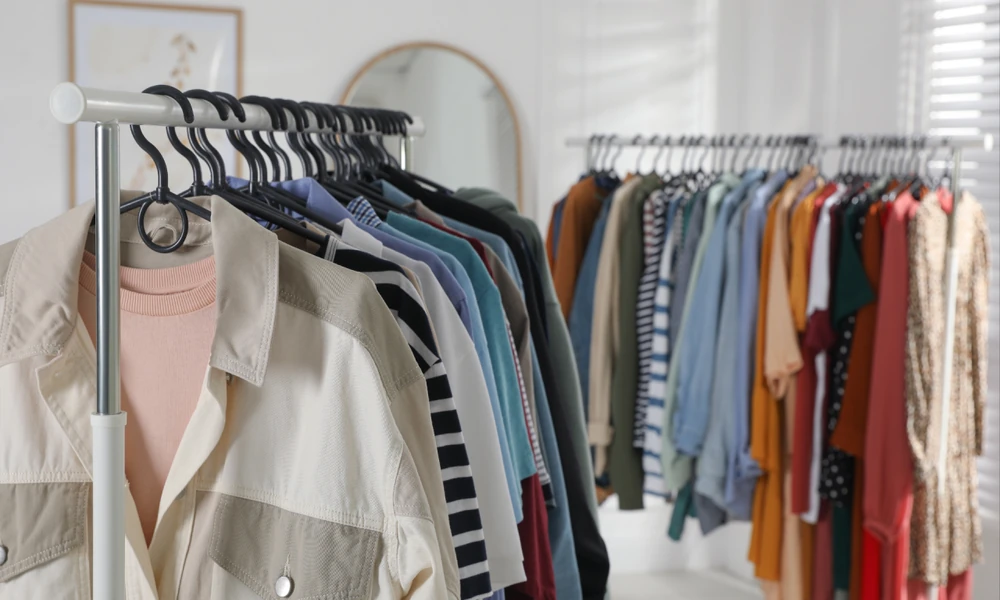
Walk into most closets today and the paradox is obvious: more clothes than any generation before, yet a familiar sentence still gets said out loud every morning, “I have nothing to wear.” Fashion retail keeps expanding. Personal style keeps feeling harder to pin down. When a matchmaker San Diego service explains a similar paradox to dating clients, the reaction is recognition, not surprise. Abundance has quietly made things harder, not easier, and the same pattern shows up in wardrobes.
Why more options actually paralyze
Choice should, in theory, improve outcomes. More pieces should mean more ways to put together a great outfit. But that assumes every piece is intentional and every purchase fits a plan. In reality, abundance creates decision fatigue. When options are endless, curation becomes optional. Impulse buying replaces intentional building. The result is a closet full of items that don’t talk to each other.
The filtering problem nobody addresses
In a closet of a hundred-plus items, most weren’t chosen for a cohesive wardrobe, they were chosen in isolated moments, for one occasion, or because they were on sale. That population of “someday” pieces vastly outnumbers the items that actually build a working wardrobe. Scrolling through a packed closet each morning is mostly sorting through pieces that don’t serve your current life.
What “put together” actually means
Looking put together doesn’t mean owning more. It means owning pieces that were chosen with intention and that work together. Someone with a closet full of clothes can still feel like they have nothing to wear, because volume was never the missing ingredient. The abundance isn’t working for them, it’s working against them, burying the handful of pieces that actually fit their life under everything that doesn’t.
How a curated approach changes everything
A stylist, much like a matchmaker San Diego professional filters for readiness before introductions, filters for intention before purchases. Pieces get chosen against a plan: your body, your lifestyle, your existing wardrobe, and what actually gets worn versus what sits with tags on. That filtering turns a chaotic closet into a working one, the same way filtering turns an overwhelming dating pool into a workable one.
The real problem isn’t scarcity
The frustration of “nothing to wear” isn’t about owning too little. It’s about owning things that were never chosen with a plan. A closet stuffed with options means nothing if none of them work together or reflect how you actually want to be seen. Being surrounded by clothes counts for little if none of it is doing its job.
The fix isn’t buying less randomly and hoping it works out, that just repeats the pattern. It’s changing how the closet gets built in the first place. When intention replaces accumulation, abundance stops being the enemy. Most closets already contain the makings of a great wardrobe. They just need someone to filter out the noise.
Auditing what you already own
Before adding anything new, the more useful exercise is often auditing what’s already there. Pull everything out. Try it on. Notice what gets worn on repeat and what hasn’t left its hanger in a year. Most closets have a small core of pieces doing most of the work and a much larger group doing almost none of it. That imbalance is the real source of the paradox, not a lack of options but a lack of alignment between what’s owned and what’s actually useful. A proper audit, done honestly, usually reveals that the wardrobe someone wants already exists in fragments. It just needs editing, not expanding. Recognizing this before buying anything new is often the single most effective step toward finally having something to wear every morning.