

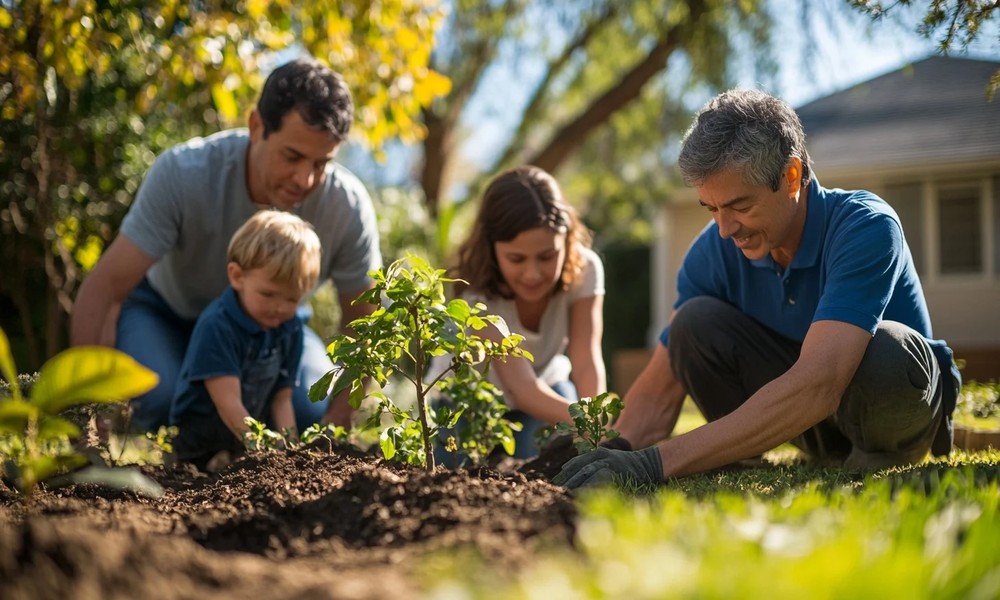
Taking care of land as a family is a meaningful way to build strong habits while spending quality time together. Whether it is a small garden, a backyard, or a larger piece of land, working together helps create a sense of responsibility, teamwork, and care for the environment. By involving family in land maintenance, these habits become a natural and enjoyable part of daily life.
1. Plan Tasks Together
Instead of one person managing all the work, involve every family member in planning what needs to be done. This could include watering plants, cleaning the space, planting new seeds, or maintaining tools. When everyone has a role, they feel more connected to the work.
Planning together also helps children understand the importance of caring for nature. It teaches them basic skills and gives them a sense of achievement when they see the results of their effort.
2. Make It Enjoyable
Land maintenance does not have to feel like a chore. Turn it into a fun and engaging activity for the whole family.
You can:
Play music while working
Turn tasks into small challenges
Reward consistency with something simple like a family treat or rest time
When the experience is enjoyable, people are more likely to stay consistent and look forward to it.
3. Build a Routine
Consistency is key when it comes to maintaining land. Set a simple routine that works for everyone. For example, you could spend time together every weekend or dedicate a short time each day.
Having a routine helps build discipline and ensures that tasks do not pile up. It also creates a habit where taking care of the land becomes a normal part of life rather than something that feels forced.
4. Encourage Open Communication
Working together also gives families the chance to talk and connect. Make use of this time to have open conversations
You can:
Ask how everyone is feeling
Share thoughts and ideas
Listen to each other without judgement
This not only strengthens relationships but also creates a positive and supportive environment.
5. Lead by Example
Children learn best by watching others. When they see adults taking care of the land with dedication and care, they are more likely to follow the same habits.
Show them the value of patience, effort, and responsibility. Let them see that taking care of the land is not just a task, but something that brings satisfaction and pride.
Conclusion
Involving the whole family in land maintenance is not about doing everything perfectly. It is about working together, staying consistent, and enjoying the process. Over time, these small efforts build strong habits and lasting values.
By planning together, making the work enjoyable, building routines, encouraging communication, and leading by example, families can create a positive environment where both the land and relationships grow stronger.